
While both options keep your systems running, they operate in very different environments. On-premise hosting relies on your office setup, giving you direct access and full control, but also placing all risks, costs, and maintenance on your team. Data centre co-location, on the other hand, moves your equipment into a specialized facility designed for higher uptime, redundant power, and dedicated operational support.
This choice affects more than just where your servers sit. It influences your business continuity, budget planning, scalability, and your ability to meet customer expectations in a digital-first landscape.
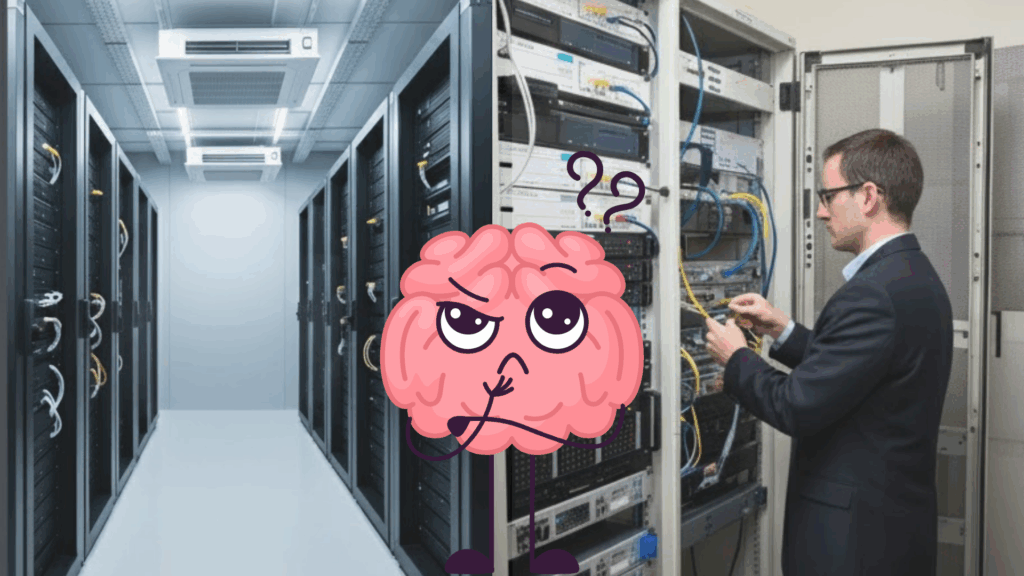
Before choosing the right model, it’s important to understand what each environment truly offers. On-premise hosting appeals to organizations that prefer in-house control, need immediate physical access, or operate smaller workloads that do not demand extensive redundancy. It can be cost-efficient early on, especially when resource requirements are modest and the IT setup is simple.
However, as infrastructure needs grow, on-premise environments may require additional investment in power, cooling, security, and space. These scaling challenges can increase operational complexity over time.
Data centre co-location provides a more controlled and predictable environment, offering specialised infrastructure that many offices may not have. While it introduces recurring facility costs and requires adjusting to offsite equipment management, it benefits organisations that need consistent uptime, reliable connectivity, and long-term scalability without expanding their office footprint.
Who benefits from on-premises hosting?
- Small to mid-sized businesses with manageable IT requirements
- Organisations needing direct, hands-on server access
- Companies with stable workloads and minimal redundancy needs
- Teams that already have adequate office IT rooms and support
Who benefits from data centre co-location?
- Businesses with growing performance or uptime requirements
- Organizations that priorities stability, compliance, or security
- Companies planning to scale infrastructure without major CAPEX
- Teams that prefer a professionally managed facility but retain hardware control
Ultimately, the right choice depends on your organization’s size, growth plans, risk tolerance, and operational priorities. Both models have clear advantages the key is understanding which environment aligns with your long-term goals.